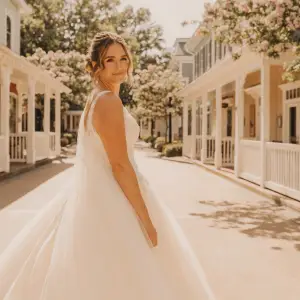
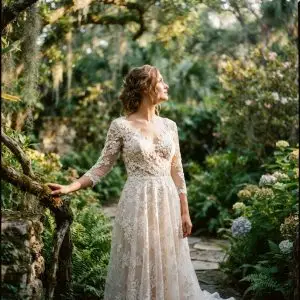
Central Florida’s unique climate means that choosing a wedding dress for your Orlando-area celebration requires understanding how different seasons affect fabric choices, comfort levels, and overall dress practicality. Unlike northern states where seasons bring dramatic temperature swings, Florida’s seasons are more subtle but equally important to consider when selecting your wedding dress. At The Dressing Room on Celebration Avenue, we help brides navigate seasonal considerations to find dresses that look beautiful and feel comfortable regardless of when you’re getting married in the greater Orlando area.
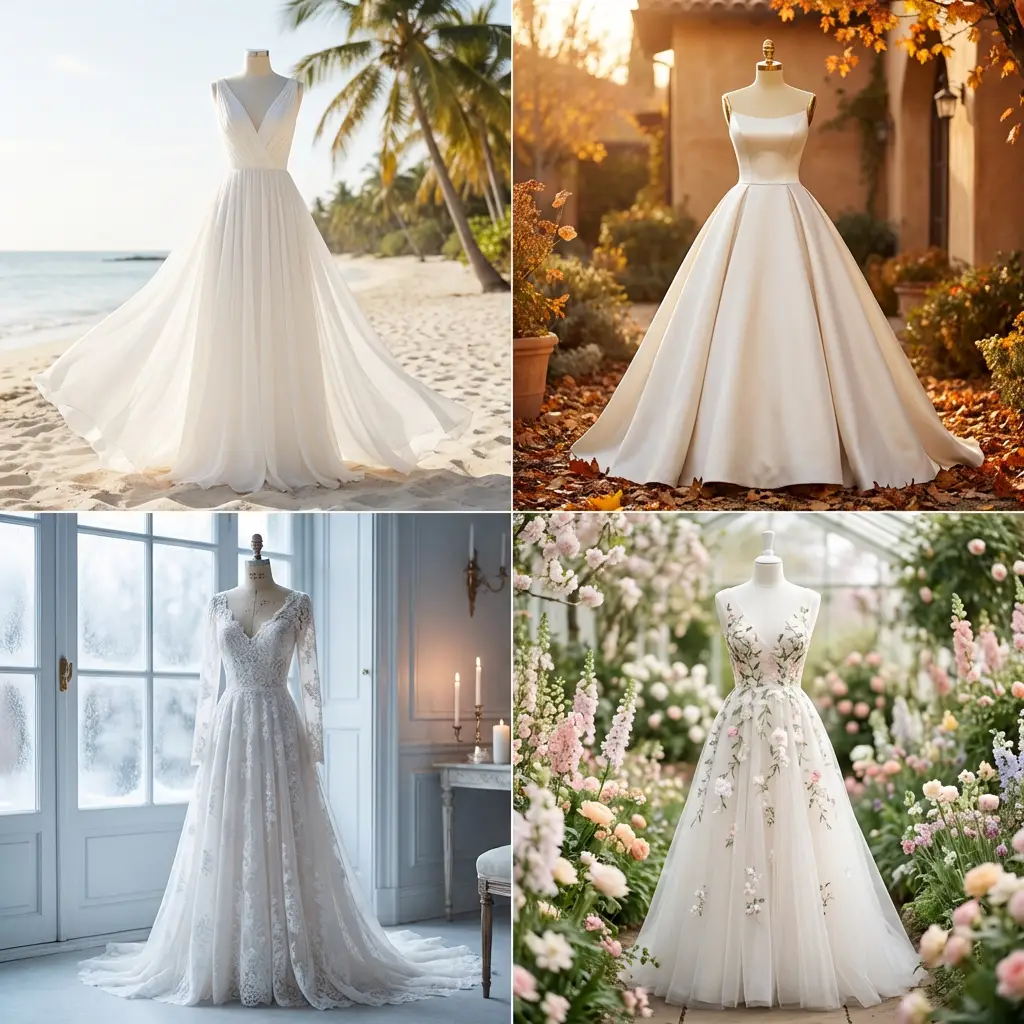
Understanding Central Florida’s seasonal patterns helps you make informed dress decisions. Florida doesn’t experience traditional four-season weather like northern climates, but we do have distinct wet and dry seasons, temperature variations, and humidity levels that change throughout the year. These factors significantly impact dress comfort and practicality, particularly if you’re planning any outdoor elements for your Orlando-area wedding.
Spring weddings in Central Florida (March through May) offer some of the most pleasant weather for outdoor celebrations. Temperatures are warm but not oppressively hot, humidity is moderate, and the landscape is lush and beautiful. This season offers maximum flexibility in dress choices because you can wear virtually any style without extreme weather concerns. Ballgowns work beautifully in spring, as do structured dresses with moderate layering or embellishment.
For spring brides planning ceremonies at Central Florida garden venues, outdoor Orlando locations, or anywhere with potential sun exposure, consider that temperatures can vary from pleasant mornings to quite warm afternoons. Lightweight fabrics still make sense even in spring’s milder weather. Chiffon, organza, and crepe all work beautifully for spring weddings, offering enough substance for elegant silhouettes without trapping excessive heat.
Spring wedding dress fabrics should balance beauty with breathability. Silk and silk blends photograph gorgeously in spring’s natural light and drape beautifully without feeling heavy. Lace works wonderfully for spring, particularly lighter lace like Chantilly that allows air flow. Tulle in moderate layers creates romantic volume without excessive warmth. Avoid very heavy satins or multiple thick underlayers that might become uncomfortable as spring afternoons warm up.
According to The Knot’s seasonal wedding planning guide, spring offers the best balance of comfortable weather and beautiful natural backdrops for outdoor wedding elements. This makes spring an ideal time for dresses that bridge indoor elegance and outdoor comfort.
Summer weddings in Central Florida (June through September) require the most careful dress consideration due to intense heat and humidity. Summer temperatures regularly reach the low-to-mid 90s with humidity levels that make the “feels like” temperature significantly higher. If you’re planning a summer wedding anywhere in the Orlando area, fabric choice and dress construction become critically important for your comfort.
Lightweight fabrics are essential for summer Central Florida weddings. Chiffon, organza, and lightweight crepe should be your primary considerations. These fabrics breathe well, allow air circulation, and don’t trap heat against your body. Flowing A-line silhouettes in chiffon work beautifully for summer, offering elegant romance without constricting structure. Empire waist dresses with flowing skirts create ethereal beauty while keeping you comfortable.
Summer wedding dress construction should prioritize breathability over structure. Heavy boning, thick linings, and multiple layers will make you miserable in Central Florida summer heat. Look for dresses with lighter construction—strategic boning rather than full corsetry, single-layer skirts rather than multiple petticoats, and breathable fabrics throughout. The built-in support in quality wedding dresses means you can have elegant structure without excessive layers.
Sleeve considerations for summer are crucial. Sleeveless, spaghetti strap, or strapless dresses are most comfortable for summer. If you want sleeves for coverage or style, choose very lightweight fabrics like sheer organza or delicate lace that won’t trap heat. Flutter sleeves or cap sleeves in airy fabrics can work, but long sleeves or heavy sleeve construction will be uncomfortably warm.
Embellishment and beading add visual interest but also add weight and heat. For summer weddings, consider dresses with minimal beading or strategic embellishment rather than fully beaded bodices. If you love beading, focus it on areas like the neckline or waist rather than covering the entire dress. Lighter embellishments like embroidered lace or appliqués create detail without adding significant weight.
Train length for summer deserves consideration, particularly for outdoor elements. Long trains dragging through grass or outdoor venues can become heavy with dew or moisture. Sweep trains or no train at all work well for summer. If you want a train for ceremony drama, consider a detachable option you can remove for comfort during the reception.
Indoor versus outdoor considerations matter immensely for summer weddings. If your ceremony is outdoors in summer, choose the absolute lightest, most breathable dress possible. If everything is indoors in air conditioning, you have more flexibility. However, remember that even indoor weddings often involve outdoor elements—walking from car to venue, outdoor photos, cocktail hour terraces—so err toward lighter fabrics even for primarily indoor celebrations.
Fall weddings in Central Florida (October and November) bring beautiful weather with lower humidity and comfortable temperatures. Fall is actually peak wedding season in Central Florida because the weather is so pleasant. Temperatures in the 70s and 80s with lower humidity create ideal conditions for weddings with both indoor and outdoor elements.
Fall wedding dress options expand significantly compared to summer. Structured ballgowns work beautifully in fall, as do dresses with moderate embellishment or layering. The cooler, drier air means you can wear heavier fabrics comfortably. Mikado, duchess satin, and structured organza all work well for fall. Lace-heavy dresses with full coverage are comfortable rather than stifling.
Fall fabrics can include richer textures without comfort concerns. Crepe creates beautiful clean lines for modern fall weddings. Silk and satin photograph gorgeously in fall’s golden light. Lace appliqués and detailed embroidery work beautifully without causing overheating. Multiple layers, including underskirts and petticoats, are comfortable in fall’s pleasant temperatures.
Sleeve options open up in fall. Long sleeves in lace or illusion fabrics create elegant sophistication perfect for fall weddings. Three-quarter sleeves work beautifully. Off-the-shoulder sleeves add romance without adding excessive warmth. Fall is the season where you can truly indulge in sleeve details if you love them.
Color considerations for fall might include warmer tones. While white and ivory work year-round, fall brides sometimes gravitate toward champagne, blush, or soft gold tones that complement fall’s warm golden light. These colors photograph beautifully at Orlando-area venues during fall months.
Winter weddings in Central Florida (December through February) bring the coolest temperatures of the year—highs typically in the 60s and 70s with occasional cooler days. Winter is actually quite pleasant in Central Florida, making it another popular wedding season. Unlike northern winters, you won’t need heavy fabrics or worry about snow, but the cooler temperatures allow for dress options that would be too warm other months.
Winter wedding dress choices are nearly unlimited in Central Florida. The comfortable temperatures mean you can wear anything from lightweight chiffon to heavy beaded ballgowns without comfort concerns. This is the season where brides who love dramatic, heavily embellished, or multilayered dresses can indulge without weather-related regrets.
Long sleeves work beautifully for Central Florida winter weddings. Lace sleeves, illusion sleeves with beading, or structured fabric sleeves all create elegant sophistication perfect for winter. If you’ve been dreaming of a long-sleeved dress but worried about heat, winter is your season. These dresses photograph gorgeously and feel comfortable in winter’s cooler temperatures.
Winter fabrics can include the richest, most luxurious options. Heavy silk, substantial lace, beaded fabrics, and multiple layers all work comfortably. If you love the look of fully beaded bodices or dresses with extensive crystal work, winter weather makes these comfortable rather than oppressive.
Holiday winter weddings (December) often inspire additional embellishment and sparkle. Brides planning December celebrations sometimes choose dresses with more dramatic beading or crystal work that catches light beautifully at evening receptions. The festive season lends itself to slightly more glamorous dress choices.
Venue considerations for winter include understanding that some outdoor photos might still be comfortable. While you won’t want lengthy outdoor ceremonies, photo sessions in Central Florida winter are often pleasant. This means you don’t need to choose your dress worried about being outdoors—winter weather is mild enough for outdoor photos in most styles.
Transitional months (March and November) straddle seasons and require flexibility. March can feel like spring or late winter depending on the specific year. November can be pleasantly fall-like or still quite warm. For weddings in these transitional months, choose dresses that work across temperature ranges—moderate fabrics, breathable construction, and styles that won’t leave you uncomfortable if the day is warmer or cooler than expected.
When you book your appointment at The Dressing Room in Celebration, we’ll discuss your wedding date and venue to help you choose a dress appropriate for your season. Knowing your timeline helps us steer you toward fabrics and construction that will keep you comfortable on your specific wedding day.
Indoor air conditioning affects comfort regardless of season. Even summer brides might feel chilly in heavily air-conditioned venues, while winter brides might feel warm in heated indoor spaces. Consider where you’ll spend most of your time—if your ceremony and reception are entirely indoors with climate control, seasonal considerations become less critical. However, factor in outdoor photos, transportation between venues, and any outdoor cocktail hour or ceremony elements.
Photography timing affects seasonal dress comfort. Summer brides often schedule outdoor photos during morning or late afternoon to avoid midday heat. This timing consideration might influence dress choice—if you’ll be outside for extensive photo sessions, prioritize breathability even if your ceremony and reception are indoors.
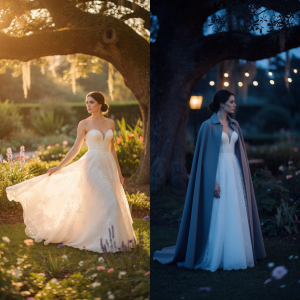
Accessories and layers change with seasons. Summer brides might skip veils or choose shorter, lighter options. Winter brides can indulge in dramatic cathedral veils or capes that would be too warm other seasons. Boleros, shrugs, or cover-ups work beautifully for winter but would be impractical for summer.
Plus-size considerations for seasonal dressing are particularly important. Heavier bodies tend to run warmer, which means summer heat can be even more uncomfortable. Plus-size brides planning summer Central Florida weddings should prioritize the absolute lightest, most breathable fabrics possible. Winter offers more comfort flexibility, but well-ventilated fabrics still matter for dancing and celebrating.
The designers we carry at The Dressing Room create dresses with various seasonal needs in mind. Lightweight construction from Lillian West and All Who Wander works beautifully for summer. Structured elegance from Stella York and Justin Alexander shines in fall and winter. Versatile options from Maggie Sottero and Essense of Australia work across seasons depending on specific fabric and style choices.
Budget considerations don’t typically change by season, but practical considerations might. Summer brides might allocate less budget to the dress itself knowing they need ultra-lightweight options, investing more in cooling elements like portable fans or venue air conditioning. Winter brides might spend more on dresses with elaborate details they couldn’t comfortably wear other seasons.
Alterations timeline doesn’t change by season, but comfort during fittings might. Summer fittings can be warm even in air-conditioned boutiques when you’re wearing wedding dresses. Winter fittings are comfortable regardless of dress weight. Schedule your fittings with seasonal comfort in mind—maybe morning appointments during summer months when it’s slightly cooler.
Backup plans for weather are important regardless of season but especially for summer. Summer brings afternoon thunderstorms throughout Central Florida. If you’re planning outdoor elements, ensure your dress is something you’d be comfortable moving quickly in if weather requires relocating. Winter occasionally brings cooler-than-expected days—having a wrap or jacket option ensures comfort without compromising your dress aesthetic.
Understanding Central Florida’s seasonal patterns transforms dress shopping from overwhelming to strategic. Instead of simply choosing a dress you love visually, you’re selecting a gown that works with your specific wedding date and venue conditions. This practical approach ensures you’ll be comfortable and confident on your wedding day, able to fully enjoy your celebration rather than suffering through it in an inappropriate dress.
The perfect wedding dress for your Central Florida celebration exists across all seasons—it’s simply about matching dress characteristics to seasonal realities. Summer’s heat demands lightweight breathability. Fall’s pleasant weather allows maximum flexibility. Winter’s comfort opens doors to dramatic embellishment. Spring offers beautiful balance. Whatever season you’re marrying, thoughtful dress selection ensures you look and feel amazing as you celebrate in the greater Orlando area.
FREQUENTLY ASKED QUESTIONS
What type of wedding dress fabric is best for summer weddings in Orlando?
Lightweight, breathable fabrics like chiffon, organza, and lightweight crepe are essential for Central Florida summer weddings. These fabrics allow air circulation and don’t trap heat. Avoid heavy satins, multiple thick layers, or extensive beading that adds weight and warmth. Flowing A-line or sheath silhouettes work best for summer comfort.
Can I wear a ballgown wedding dress in Florida summer heat?
Ballgowns can work for summer if they’re constructed in lightweight fabrics like organza or tulle without excessive layers or heavy structure. However, if your ceremony or photos involve outdoor elements in summer heat, consider lighter silhouettes like A-line or sheath. Save dramatic ballgowns for fall or winter Central Florida weddings.
What wedding dress style works best for Central Florida fall weddings?
Fall offers the most flexibility in dress choices due to pleasant temperatures and lower humidity. Structured ballgowns, lace-heavy gowns, dresses with moderate embellishment, and virtually any silhouette work comfortably in fall. This is ideal for brides who want dramatic or heavily detailed dresses without summer heat concerns.
Should I choose different dress fabrics for indoor versus outdoor Florida weddings?
Yes, outdoor elements require extra consideration. Even primarily indoor weddings often include outdoor photos or cocktail hours. For summer, prioritize lightweight fabrics regardless of venue. For fall and winter, you have more flexibility. Consider time spent outdoors when selecting fabric weight and dress construction.
Can I wear long sleeves for a wedding in Central Florida?
Long sleeves work beautifully for Central Florida winter weddings (December-February) when temperatures are cooler. For fall (October-November), long sleeves in lightweight lace or illusion fabrics can work comfortably. Avoid long sleeves for summer unless they’re extremely sheer and lightweight, as they’ll be uncomfortably warm.
What’s the most comfortable wedding dress season in Orlando?
Fall (October-November) and winter (December-February) offer the most comfortable wedding dress weather with pleasant temperatures and lower humidity. Spring (March-May) is also lovely with moderate weather. Summer (June-September) is most challenging due to heat and humidity, requiring careful dress selection for comfort.
How does humidity affect wedding dress choices in Central Florida?
High humidity makes heavy fabrics and multiple layers feel oppressive and can affect how well your dress holds its shape. Summer humidity requires lightweight, breathable fabrics. Fall and winter’s lower humidity allows for heavier fabrics and more structured dresses. Consider anti-humidity products for hair and makeup regardless of season.
Should I size up my wedding dress for Florida heat and swelling?
Order your correct size based on measurements taken during your appointment. Proper alterations ensure comfort regardless of weather. Some swelling can occur in heat, but sizing up creates fit issues. Instead, choose breathable fabrics, stay hydrated, and schedule breaks during summer celebrations to manage heat-related concerns.
Can plus-size brides wear the same seasonal dress styles as smaller sizes?
Yes, seasonal recommendations apply to all sizes up to 28. However, plus-size brides may run warmer, making summer lightweight fabrics even more critical. Winter offers the most comfort flexibility for all sizes. The Dressing Room carries designers who create breathable, comfortable construction across all size ranges and seasons.
What if my wedding date falls during a transitional month in Florida?
For March or November weddings, choose versatile dresses that work across temperature ranges—moderate-weight fabrics, breathable construction, and styles comfortable if the day is warmer or cooler than expected. These transitional months can vary year to year, so prioritize flexibility over extremely seasonal-specific choices.