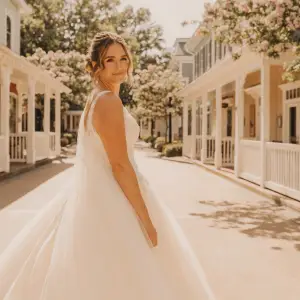
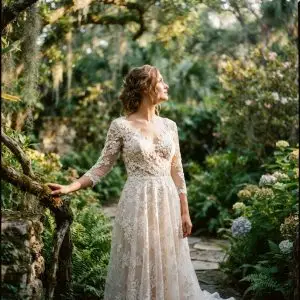
Your wedding dress is the foundation of your bridal look, but the accessories you choose—your veil, jewelry, shoes, and finishing touches—transform your dress from beautiful to complete. At The Dressing Room on Celebration Avenue in Central Florida, we understand that accessories aren’t afterthoughts but essential elements that pull your entire bridal aesthetic together. Let’s explore how to choose accessories that complement your dress, enhance your overall look, and help you feel completely put-together on your Orlando-area wedding day.
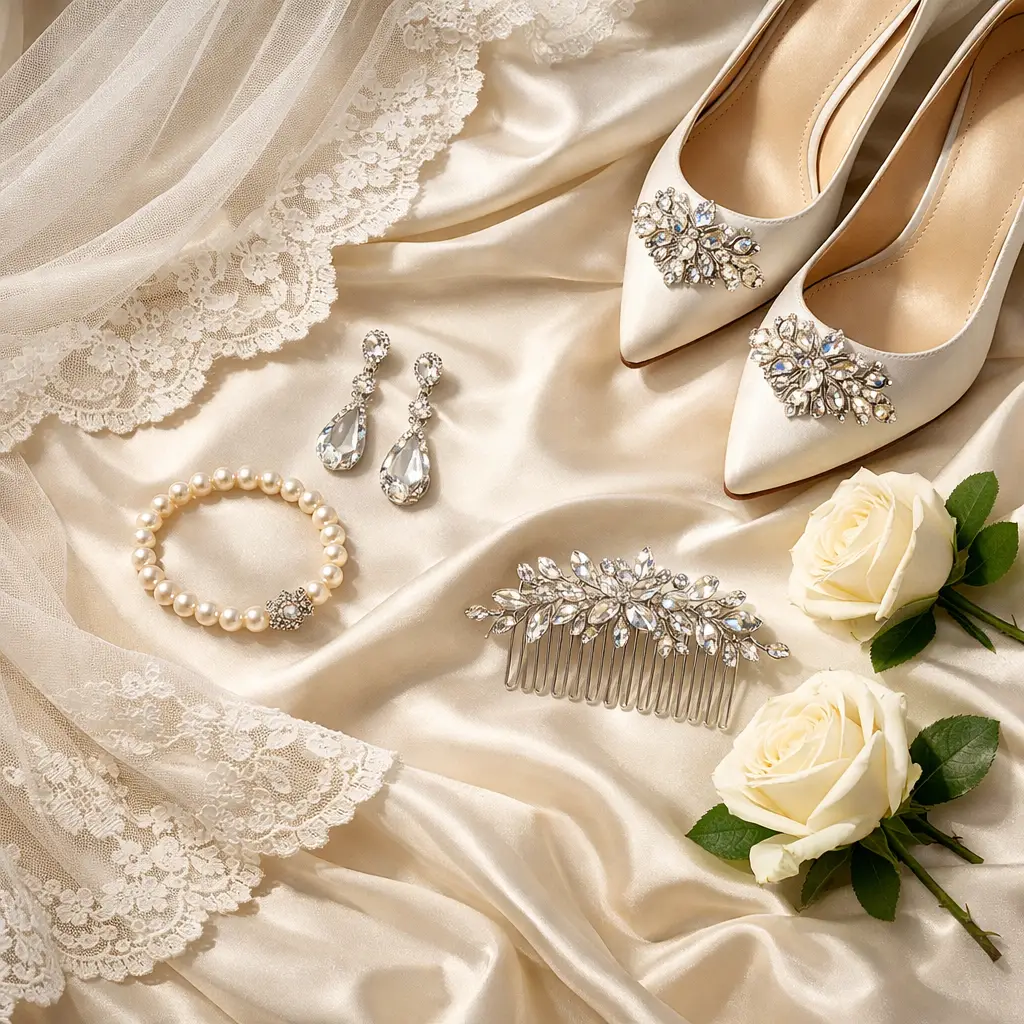
Veils remain one of the most traditional and beloved bridal accessories, though not every bride chooses to wear one. Understanding veil options helps you decide whether a veil fits your vision and, if so, which style works best with your dress and venue. Veils come in various lengths, each creating a different visual impact and working better with certain dress styles and venue formalities.
Birdcage veils and blusher veils are the shortest options, typically covering just the face or sitting at chin length. These vintage-inspired pieces work beautifully for retro or vintage-themed weddings, intimate ceremonies, or brides who want a veil for the ceremony but find longer veils impractical. Birdcage veils pair particularly well with tea-length dresses, vintage-inspired gowns, or second wedding dresses. They create a subtle nod to tradition without the drama of longer veils.
Shoulder-length veils (also called flyaway veils) typically fall to shoulder or just past shoulder length. These shorter veils work well for casual weddings, outdoor ceremonies, or brides who want veil coverage without significant length. They’re practical, easy to manage, and don’t overwhelm simpler dress silhouettes. For Central Florida beach or garden weddings, shoulder-length veils provide tradition without becoming cumbersome in wind or outdoor elements.
Elbow-length veils fall to approximately elbow length (around 25 inches) and offer a classic, versatile option. These veils work with nearly any dress style and venue formality level. They’re long enough to feel traditionally bridal but short enough to remain practical and manageable. Elbow-length veils photograph beautifully and work particularly well with A-line or sheath dresses where you don’t want the veil competing with dress details.
Fingertip-length veils extend to your fingertips (around 36 inches) and represent one of the most popular veil lengths. These veils create beautiful coverage and drama without excessive length. They work gorgeously with ballgowns, A-line dresses, and virtually any silhouette. Fingertip veils photograph beautifully both during ceremony and in portraits, creating romantic framing without overwhelming your dress.
Chapel-length veils extend approximately 90 inches, brushing the floor and creating dramatic elegance. These longer veils work beautifully for formal weddings, traditional ceremonies, and ballgown or A-line dresses with some train length. Chapel veils create stunning visual impact walking down the aisle and photograph gorgeously in church or elegant venue settings. For Disney Fairy Tale Weddings or formal Central Florida celebrations, chapel-length veils provide appropriate drama and elegance.
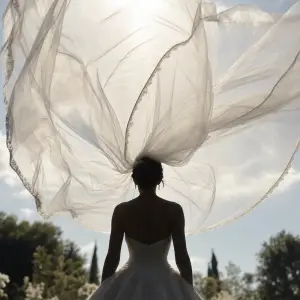
Cathedral-length veils extend 108-120 inches or more, creating maximum drama with fabric pooling on the floor behind you. These veils are typically reserved for very formal weddings, large ceremony spaces, and dresses with cathedral trains. Cathedral veils create breathtaking aisle moments and photograph spectacularly, but they require helpers to manage and can be impractical for smaller venues or casual settings.
Veil edge treatments affect the overall look significantly. Cut-edge veils (raw edges with no finishing) create the softest, most romantic look and are often most flattering because they virtually disappear into your dress. Ribbon-edge veils feature satin ribbon trim that creates definition and works beautifully with classic, traditional aesthetics. Lace-edge veils incorporate lace trim that can either match your dress lace or introduce complementary lace details. Beaded or crystal-edge veils add sparkle and glamour, working well for evening weddings or when you want extra dimension.
According to Martha Stewart Weddings’ accessory guide, choosing the right veil length depends primarily on your dress silhouette, train length, and venue formality. The veil shouldn’t overpower your dress but should complement and enhance it.
Veil placement and attachment methods affect how your veil looks with your hairstyle. Traditional placement at the crown creates classic elegance. Lower placement at the back of the head works beautifully with updos and creates a more relaxed look. Side placement offers vintage-inspired asymmetry. Work with your hairstylist during your trial to determine optimal veil placement that works with your chosen hairstyle and dress neckline.
Alternative headpiece options for brides who don’t want traditional veils include floral crowns, which create romantic, bohemian beauty perfect for outdoor or garden Central Florida weddings. Hair vines and pins add sparkle and detail without veil coverage. Headbands or tiaras create vintage or regal elegance. Statement hair clips or combs offer focused glamour. Mantilla-style lace head coverings provide Spanish-inspired elegance. Each alternative creates different aesthetic impact and works better with certain dress styles and wedding themes.
Jewelry choices for wedding dresses require balancing enhancement with restraint. Your jewelry should complement your dress and complete your look without competing with your gown’s details or overwhelming your overall aesthetic. The key is identifying which jewelry pieces enhance your specific dress and neckline rather than defaulting to wearing everything.
Necklace considerations start with your dress neckline. Strapless dresses with sweetheart necklines create the perfect canvas for statement necklaces—the bare neckline and décolletage invite adornment. However, if your strapless dress features heavily beaded or detailed bodice work, a necklace might create visual competition. In these cases, skip the necklace and focus on earrings and bracelet.
High necklines, illusion necklines, or dresses with significant bodice detailing typically don’t need necklaces. Adding necklaces to these styles creates clutter and detracts from the dress design. For these necklines, focus your jewelry on earrings and perhaps a bracelet, allowing the dress neckline to be the star.
V-necklines work beautifully with delicate pendant necklaces that follow the neckline’s shape. The necklace should enhance the V without filling it completely—subtle rather than statement. Deep V-necklines might work with longer pendant styles or even layered delicate necklaces for modern brides.
Off-the-shoulder necklines create beautiful shoulder framing and typically don’t need necklaces. The horizontal line across the shoulders draws attention to your décolletage naturally. Focus on earrings that complement this neckline’s romantic feel. If you love necklaces with off-shoulder styles, choose very delicate chains that don’t compete with the neckline detail.
Earring selection should consider your hairstyle, dress neckline, and overall aesthetic. Updos showcase earrings beautifully, making them ideal occasions for statement or chandelier styles. Wearing your hair down partially covers earrings, making studs or small drop earrings more practical—dramatic earrings get lost in loose hair. Think about your planned hairstyle when selecting earring size and style.
Earring metal and stone choices should complement rather than match exactly. If your dress features silver or crystal details, white gold or platinum earrings create cohesion. If your dress has warm undertones or gold embellishments, yellow or rose gold complements beautifully. Pearls offer timeless versatility that works with virtually any dress and metal tone.
Bracelets add finishing detail to your wrists, which are visible in many wedding photos—holding your bouquet, exchanging rings, cutting cake. Delicate tennis bracelets or simple bangles add subtle sparkle without overwhelming. Statement cuffs work for modern brides with simpler dresses. Some brides skip bracelets entirely, particularly if their dress has detailed sleeves or they’re wearing meaningful watches.
Sentimental jewelry pieces often hold more meaning than perfectly coordinated new pieces. Wearing your grandmother’s pearls, your mother’s earrings, or a meaningful gift from your partner creates emotional significance that transcends perfect aesthetic matching. If sentimental pieces don’t quite match your dress, find ways to incorporate them—maybe in your bouquet, as a something blue, or worn during getting-ready photos even if not during the ceremony.
Shoe selection for wedding dresses affects more than just aesthetics—your shoe height determines your hem length and impacts your comfort throughout your celebration. Choose shoes early in your dress shopping process so alterations can hem your dress to the correct height for your specific shoes.
Heel height considerations start with honesty about what you can actually wear comfortably for eight-plus hours. If you never wear heels, your wedding day isn’t the time to start with four-inch stilettos. If you live in heels, you might be comfortable in higher heights. Choose a height you can realistically wear through ceremony, photos, and reception without suffering.
For Central Florida outdoor weddings, venue surface matters significantly. Grass, garden paths, or beach sand make stiletto heels impractical—they sink into soft surfaces. Wedge heels, block heels, or elegant flats work much better for outdoor venues. If you’re getting married at an outdoor Orlando venue, book your appointment and discuss shoe practicality with your consultant during dress selection.
Heel styles include classic pumps (timeless and elegant), strappy sandals (beautiful for summer or beach weddings), block heels (stable and comfortable for long wear), wedges (perfect for outdoor venues), and flats or low heels (increasingly popular and practical). Each style creates different aesthetic and works better with certain dress silhouettes and venue types.
Shoe color doesn’t have to match your dress exactly. While traditional white or ivory satin shoes remain popular, many brides choose nude tones that elongate legs, metallic shades like gold or silver for added sparkle, or even bold colors as a fun surprise under their dress. Colored shoes can serve as your something blue or add personality visible only when you walk.
Comfort features in wedding shoes matter more than everyday shoes because you’ll wear them extensively. Look for cushioned insoles, padded footbeds, ankle straps for security, and reasonable heel heights. Break in your wedding shoes before your big day—wear them around your house to soften leather and identify any problem areas requiring adjustments.
Backup shoe planning is wise for Central Florida weddings. Many brides wear beautiful heels for ceremony and photos, then change into comfortable flats or sandals for reception dancing. Having this plan allows you to choose the aesthetic shoes you love without sacrificing comfort later in the evening. Some brides even wear comfortable shoes for outdoor photos and change into heels for indoor ceremony.
Hair accessories beyond veils include combs, which add sparkle or floral details secured in updos. Pins scatter throughout hairstyles creating delicate sparkle. Headbands or crowns create structured elegance. Flowers (fresh or silk) bring natural romance. Each accessory style works better with certain hairstyles and dress aesthetics.
Belts and sashes can transform dress silhouettes when added during alterations. A simple sheath dress gains definition with a crystal belt. An A-line gown gets sparkle with a delicate ribbon sash. Some dresses come with detachable belts offering versatility. Adding belts during alterations ensures proper placement and professional finishing.
Undergarments and shapewear, while not visible accessories, affect how your dress looks and feels. The built-in support in wedding dresses means most brides don’t need bras. However, some brides add shapewear for smoothing. Choose seamless nude undergarments that disappear under your dress. Bring your actual wedding undergarments to alterations appointments so your dress is hemmed and fitted with what you’ll actually wear.
Something old, something new, something borrowed, something blue represents a beloved tradition many brides incorporate through accessories. Your grandmother’s pearls (old), new dress or shoes (new), borrowed hairpiece from your sister (borrowed), blue garter or shoes (blue)—thoughtfully incorporating these elements creates meaningful touches and honors tradition.
At The Dressing Room, while our primary focus is helping you find your perfect dress, we can offer guidance on accessorizing once you’ve chosen your gown. Understanding how your specific dress style, neckline, and details should influence accessory choices ensures cohesive, polished results.
Plus-size brides should scale accessories appropriately to body proportions. Delicate, tiny jewelry can disappear on larger frames—don’t be afraid of substantial earrings or slightly larger jewelry pieces that complement rather than overwhelm. Conversely, massive statement pieces can overpower. Find the right balance for your specific proportions.
Budget considerations for accessories add up quickly. Allocate funds wisely—prioritize pieces that will be visible in photos and meaningful to you. You might splurge on perfect earrings while choosing affordable shoes you’ll change out of anyway. Or invest in heirloom-quality jewelry you’ll wear again while choosing a less expensive veil.
Timing accessory shopping should happen after choosing your dress but well before your wedding. Once you know your dress style, neckline, and details, you can make informed accessory choices. Purchase jewelry and shoes several months before your wedding to allow time for returns or exchanges if needed.
The designers we carry create dresses with varying levels of detail, which impacts how much accessorizing is appropriate. Heavily detailed dresses with extensive beading or lace need minimal accessorizing—let the dress shine. Simpler, cleaner dress designs welcome more substantial jewelry and accessories for balance.
Creating cohesive accessory looks means considering your overall wedding aesthetic. Romantic garden wedding? Delicate floral accessories and pearls. Modern minimalist celebration? Clean jewelry lines and simple elegance. Glamorous evening reception? Statement sparkle and dramatic details. Your accessories should feel like natural extensions of your wedding vision, not disconnected additions.
FREQUENTLY ASKED QUESTIONS
Do I need to wear a veil with my wedding dress?
Veils are traditional but completely optional. Many modern brides skip veils in favor of alternative headpieces, floral crowns, or simply beautiful hairstyling. Choose based on your personal style and wedding vision. If you want traditional coverage and romantic photos, veils are beautiful. If you prefer a more modern or minimalist look, you don’t need one.
What veil length works best with my wedding dress?
Match veil length to your dress train and venue formality. Fingertip veils (36 inches) work with most dresses and venues. Chapel-length veils (90 inches) complement ballgowns and formal settings. For casual weddings or dresses without trains, consider shorter elbow or shoulder-length veils. Your dress consultant can help determine the most flattering length.
Should my wedding jewelry match my dress exactly?
Your jewelry should complement rather than exactly match your dress. If your dress features silver beading, white gold or platinum jewelry creates cohesion. For dresses with warm tones, yellow or rose gold works beautifully. Pearls offer versatile elegance with virtually any dress. Consider your dress details and metal tones when selecting jewelry.
What shoes should I wear for an outdoor Central Florida wedding?
Wedge heels, block heels, or elegant flats work best for outdoor venues where traditional stilettos sink into grass or sand. Choose stable, comfortable styles appropriate for your venue surface. Many Orlando-area brides wear wedges for outdoor photos and change to different shoes for indoor reception dancing.
How do I choose earrings that complement my wedding dress neckline?
Consider your neckline and hairstyle together. Strapless dresses with updos showcase statement earrings beautifully. High necklines or detailed bodices pair better with subtle studs or small drops. If wearing your hair down, choose earrings substantial enough to be visible. Off-the-shoulder necklines work well with delicate drop earrings that don’t compete with the neckline detail.
When should I buy my wedding shoes for dress alterations?
Purchase shoes before your first alterations appointment, ideally 2-3 months before your wedding. Your dress will be hemmed to your exact shoe height, so you need your actual wedding shoes for accurate alterations. If you plan to wear different shoes for ceremony versus reception, bring both to fittings.
Can I wear bold colored shoes with my wedding dress?
Absolutely! Many brides choose nude tones that elongate legs, metallic gold or silver for sparkle, or bold colors like blue, red, or even sparkly options that add personality under your dress. Colored shoes can serve as your something blue or simply express your personal style. They’re only occasionally visible, so have fun with the choice.
How much should I budget for wedding dress accessories?
Budget $300-$800+ for accessories depending on choices. Veils range from $100-$600, shoes $50-$300, jewelry varies widely from $50-$500+. Prioritize pieces visible in photos and meaningful to you. You might splurge on heirloom-quality earrings while choosing affordable shoes you’ll change out of for dancing.
Should I wear a necklace with my strapless wedding dress?
It depends on your dress bodice details. If your strapless dress has a simple, unadorned sweetheart neckline, a statement necklace can be beautiful. If your bodice features heavy beading or lace details, skip the necklace—it creates visual competition. Let your dress bodice be the star and focus on earrings and bracelet instead.
What accessories work best for plus-size brides in Central Florida?
Scale accessories to your proportions—delicate tiny jewelry can disappear on larger frames. Don’t be afraid of substantial earrings or jewelry that complements your size rather than overwhelming it. For summer outdoor weddings, choose comfortable wedges or flats that won’t sink in grass. All accessory advice applies to all sizes up to 28.